

Managed IT Security Services: Comprehensive Cybersecurity Solutions for Small Businesses
By John Ricketts, Tech Hero
Tech Hero’s certified cybersecurity consultants have protected small businesses across Orlando, FL for over a decade, helping organizations prevent data breaches and maintain compliance.
In an increasingly digital world, small businesses face a growing array of cybersecurity threats that can jeopardize their operations and customer trust. Cybersecurity solutions for small businesses provide a robust approach, offering tailored protection that addresses the unique vulnerabilities of small business networks. Managed cybersecurity services are a key component of these solutions, delivering expert defense and continuous monitoring. This article will explore the essential components of managed cybersecurity, including its definition, benefits, and the critical role it plays in safeguarding small businesses against cyber threats. By understanding these services, small business owners can make informed decisions to enhance their security posture and protect their valuable data.
What Are Managed Cybersecurity Services and How Do They Protect Small Business Networks?
Managed cybersecurity services encompass a range of IT security solutions designed to protect small business networks from cyber threats. These services typically include continuous monitoring, threat detection, and incident response, ensuring that businesses can respond swiftly to potential breaches. By leveraging advanced technologies and expert knowledge, managed cybersecurity services provide a multi-layered defense strategy that is essential for maintaining the integrity of small business operations. This proactive approach not only mitigates risks but also enhances overall network security, making managed cybersecurity a cornerstone of effective small business security.
Understanding Managed IT Security Services for Small Businesses
Managed IT security services function as an outsourced solution for small businesses that may lack the resources or expertise to manage cybersecurity in-house. These services include a variety of functions such as firewall management, intrusion detection, and vulnerability assessments. The benefits for small businesses are significant, as they gain access to specialized knowledge and tools that can help them stay ahead of evolving cyber threats. For instance, companies like Tech Hero offer tailored cybersecurity solutions for small businesses that cater specifically to the needs of small to medium-sized businesses, particularly in the Orlando, FL area.
How Managed Cybersecurity Enhances Network Protection
Managed cybersecurity services enhance network protection through a multi-layered defense strategy that includes real-time monitoring and threat intelligence. This approach allows businesses to identify and respond to threats before they can cause significant damage. Real-world examples demonstrate the effectiveness of these services; businesses that implement managed cybersecurity solutions often experience reduced downtime and lower recovery costs in the event of a cyber incident. Additionally, the cost implications of cyber threats can be substantial, making proactive cybersecurity measures a wise investment for small businesses seeking comprehensive cybersecurity solutions for small businesses.
Which Endpoint Security Solutions Are Essential for Small Business Protection?
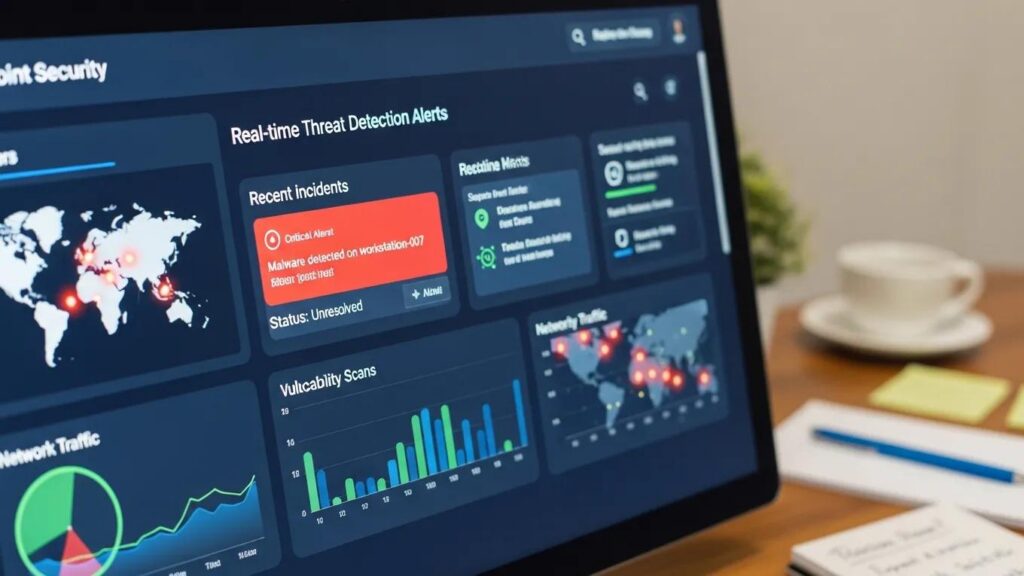
Endpoint security solutions are critical for protecting the devices that connect to a business’s network. Essential features of these solutions include comprehensive coverage of devices, real-time threat detection, and data encryption. By implementing robust endpoint protection, small businesses can safeguard sensitive information and prevent unauthorized access. Tech Hero provides endpoint security solutions that are specifically designed to meet the needs of small businesses, ensuring that all devices are adequately protected against potential threats.
Integrating Endpoint Protection with Overall Cybersecurity Strategy
Integrating endpoint protection into a broader cybersecurity strategy is vital for small businesses. A layered security approach that includes regular software updates and employee training can significantly enhance overall security. By ensuring that all aspects of cybersecurity are aligned, businesses can create a more resilient defense against cyber threats. Regular training sessions for employees on recognizing phishing attempts and other common threats can further strengthen a business’s security posture and overall small business security.
How Does Cyber Threat Detection Mitigate Risks for Small Businesses?
Cyber threat detection plays a crucial role in mitigating risks for small businesses by identifying potential threats before they escalate into serious incidents. Detection methods can include behavioral analysis, signature-based detection, and machine learning algorithms that adapt to new threats. Risk reduction strategies often involve implementing a combination of these methods to create a comprehensive security framework. Successful implementations of threat detection systems have shown that businesses can significantly reduce their exposure to cyber risks, leading to improved operational stability and stronger managed cybersecurity defenses.
Common Cyber Threats Targeting Small Business Networks
Small businesses are often targeted by various cyber threats, including phishing attacks, ransomware, and credential theft. Understanding these threats is essential for developing effective cybersecurity strategies. Phishing attacks exploit human vulnerabilities to gain access to sensitive information, while ransomware can cripple operations by encrypting critical data. By recognizing these common threats, small businesses can take proactive measures to protect their networks and data.
Technologies and Processes Behind Effective Threat Detection
Effective threat detection relies on advanced technologies and processes that enable continuous monitoring and rapid response to potential threats. Key components include 24/7 monitoring, intrusion detection systems, and data encryption. These technologies work together to create a comprehensive security environment that can adapt to emerging threats. By investing in these technologies, small businesses can enhance their ability to detect and respond to cyber incidents swiftly.
Given the increasing sophistication of cyber threats and the shortage of cybersecurity talent, adopting robust strategies, including advanced threat detection, is paramount for small businesses to protect their information assets.
Cybersecurity Strategies for Small Businesses in the USA
The increasing threat of cyber-attacks is a significant concern for organizations, particularly those in the USA. To mitigate these risks effectively, organizations must employ competent IT security professionals to implement effective security controls. However, there is a shortage of cyber security talent in the job market, necessitating extensive education and training. A good cyber security education program should be supported by a cyber security lab equipped with various software, equipment, and tools used by real professionals in the industry. This paper proposes a model of a cyber security lab equipped with honeypot and SIEM systems to enhance the quality of cyber security education. The research provides students with experience analyzing the behavior of hackers, while the SIEM system aggregates logs data of the Campus Network Firewall in real time. Security information and event management (SIEM) is a security solution that helps organizations recognize and address potential security threats and vulnerabilities before they disrupt business operations. SIEM systems help enterprise security teams detect user behavior anomalies and use artificial intelligence (AI) to automate many of the manual processes associated with threat detection and incident response. This research study aims to explore the defensive security strategies needed by small businesses in the USA to protect their information assets. Many businesses lack proper security tools, policies, and procedures, leaving them vulnerable to cyber-attacks. The research question is what strategies cyber security managers need to improve their cyber defense in small businesses in the USA.
Implementing robust cyber security strategies to protect small businesses from potential threats in the USA, A Tiwari, 2025
What Are the Benefits of Cloud Security Solutions for Small and Medium Businesses?

Cloud security solutions offer numerous benefits for small and medium businesses, including cost-effectiveness, scalability, and enhanced protection against cyber threats. By leveraging cloud-based security services, businesses can reduce their IT overhead while gaining access to advanced security features that may be cost-prohibitive in an on-premises environment. Additionally, cloud security solutions can easily scale with a business’s growth, ensuring that security measures remain effective as the organization expands.
| Benefit | Description | Impact Level |
|---|---|---|
| Cost-Effectiveness | Reduces IT overhead by utilizing cloud resources | High |
| Scalability | Easily adapts to business growth and changing needs | High |
| Enhanced Protection | Provides advanced security features against cyber threats | Medium |
Implementing cloud security solutions can significantly improve a small business’s overall security posture, making it a vital consideration for modern operations and a key part of comprehensive cybersecurity solutions for small businesses.
Despite the benefits, small businesses often struggle with common challenges in cloud security, including limited resources and a lack of expertise, making effective data protection a significant concern.
Protecting Small Business Data in Public Cloud Services
This study explores how small businesses can protect their data when using public cloud services. While cloud computing offers benefits like flexibility and cost savings, many small businesses face challenges such as limited resources, lack of expertise, and difficulty meeting regulations like GDPR. Common problems include weak data encryption, poor access control, and incomplete security policies, leaving these businesses vulnerable to cyber threats.
How Small Businesses Can Effectively Protect Their Data When Using Public Cloud Services, 2025
Implementing Cloud Security for SMB Data Protection
Implementing cloud security involves several key strategies, including data encryption, access control, and employee training. Data encryption ensures that sensitive information is protected both in transit and at rest, while access control measures limit who can view or modify critical data. Regular training for employees on best practices for data security can further enhance a business’s defenses against potential breaches. By adopting these strategies, small businesses can effectively safeguard their data in cloud environments.
Compliance and Risk Management in Cloud Environments
Compliance and risk management are essential components of cloud security for small businesses. Adhering to regulatory requirements helps businesses avoid legal penalties and maintain customer trust. Risk assessment strategies should be implemented to identify potential vulnerabilities and develop mitigation plans. Best practices for maintaining compliance include regular audits and updates to security policies, ensuring that businesses remain aligned with industry standards and regulations.
| Compliance Aspect | Description | Best Practice |
|---|---|---|
| Regulatory Requirements | Adherence to laws governing data protection | Regular audits |
| Risk Assessment | Identifying vulnerabilities in cloud security | Continuous monitoring |
| Security Policies | Updating policies to reflect current threats | Regular training |
By focusing on compliance and risk management, small businesses can create a secure cloud environment that protects both their data and their reputation.
However, achieving robust security compliance in the cloud can be particularly challenging for small and medium-sized enterprises due to resource constraints and the complex nature of regulatory frameworks.
SMEs, Cloud Computing, and Cybersecurity Compliance Challenges
As cloud computing becomes integral to business operations, security compliance is crucial for the success and sustainability of Small and Medium-Sized Enterprises (SMEs). While cloud adoption offers cost efficiency, scalability, and operational flexibility, it also introduces regulatory and security challenges. Unlike large enterprises with dedicated compliance teams and substantial budgets, SMEs often lack the financial resources and expertise to implement security frameworks effectively. Compliance with industry standards such as ISO 27001, SOC 2, NIST 800-171, and PCI DSS is particularly difficult, yet non-compliance can result in severe financial penalties, reputational damage, operational disruptions, and heightened cyber risks. Despite growing regulatory requirements, many SMEs perceive compliance as an expense rather than a strategic investment. This perception leads to reactive approaches, where security issues are addressed only after they arise, increasing risk expos
Analyzing the Effectiveness of Information Security Compliance on Cloud Based Small and Medium Enterprises (SMEs), 2025
Managed Cybersecurity vs. DIY Security: What Saves Small Businesses More Money?
When it comes to protecting small business security, choosing between managed cybersecurity services and do-it-yourself (DIY) security approaches can significantly impact costs and effectiveness. Below is a comparison of managed cybersecurity against common alternatives:
1. In-House IT Teams
- Pros: Direct control over security, immediate on-site support, tailored to company culture.
- Cons: High salary and training costs, difficulty keeping up with evolving threats, limited expertise in specialized cybersecurity areas.
2. Basic Antivirus Software Only
- Pros: Low upfront cost, easy to install and use.
- Cons: Limited protection scope, no real-time monitoring or incident response, vulnerable to advanced threats.
3. Break-Fix Reactive Approaches
- Pros: Pay only when issues arise, no ongoing fees.
- Cons: High downtime and recovery costs, increased risk of data loss, no proactive threat prevention.
| Security Approach | Cost Implications | Effectiveness | Risk Level |
|---|---|---|---|
| Managed Cybersecurity Services | Moderate ongoing fees | High – proactive monitoring and expert response | Low – reduces risk of breaches and downtime |
| In-House IT Teams | High salaries and training costs | Moderate – depends on team expertise | Medium – may miss advanced threats |
| Basic Antivirus Software Only | Low upfront cost | Low – limited protection scope | High – vulnerable to sophisticated attacks |
| Break-Fix Reactive Approaches | Variable, often high recovery costs | Low – no proactive defense | Very High – high risk of data loss and downtime |
Overall, managed cybersecurity services offer the best balance of cost savings and effective protection for small business security, helping to prevent costly breaches and reduce IT overhead.
Frequently Asked Questions About Small Business Security
What Are the Most Affordable Cybersecurity Solutions for Small Businesses?
Affordable cybersecurity solutions for small businesses often include managed cybersecurity services that bundle multiple protections such as firewall management, endpoint security, and threat detection at a predictable monthly cost. Basic antivirus software can be inexpensive but lacks comprehensive protection. Cloud-based security solutions also offer scalable and cost-effective options.
How Does Managed Cybersecurity Differ from Basic Antivirus?
Managed cybersecurity provides continuous monitoring, threat intelligence, incident response, and expert management, whereas basic antivirus software only offers signature-based malware detection. Managed services proactively protect against a wide range of threats, while antivirus alone is reactive and limited in scope.
What Should Small Businesses Look for in a Cybersecurity Provider?
Small businesses should seek providers with certified cybersecurity consultants, experience serving similar-sized companies, comprehensive service offerings including endpoint and network security, 24/7 monitoring, and strong customer support. Local expertise, such as Tech Hero’s presence in Orlando, FL, can also be beneficial.
How Much Do Cybersecurity Solutions for Small Businesses Typically Cost?
Costs vary depending on the level of service, but managed cybersecurity solutions typically range from a few hundred to several thousand dollars per month. This investment often results in cost savings by preventing breaches, reducing downtime, and avoiding regulatory fines.