

Expert Network Cabling Services for Small Businesses: Reliable and Efficient IT Infrastructure Solutions
By John Ricketts, Tech Hero
In today’s technology-driven landscape, small businesses require robust and reliable network infrastructure to remain competitive. Network cabling, particularly structured cabling solutions, is critical in ensuring effective data transmission and connectivity. This article explores the significance of structured cabling specifically tailored for small business needs, detailing how these systems enhance performance, scalability, and reliability. It also covers the various cabling technologies available, the installation and maintenance processes, and evaluates the costs involved in network cabling services.
Significance of Structured Cabling:
Structured cabling serves as the backbone of modern communication systems, greatly influencing the efficiency and reliability of small businesses. This system organizes and manages the various cables that facilitate data transmission for both voice and video communications. The implementation of structured cabling improves network performance, supports future expansions, and enhances the scalability of IT infrastructure. Additionally, businesses benefit from reduced operational costs due to the minimized need for frequent upgrades and maintenance.
What Are Structured Cabling Solutions for Small Business Networks?
Structured cabling solutions encompass a standardized system of cabling and connectivity products that allow for the seamless transmission of data across a network. These systems are designed to support multiple voice, data, and multimedia systems through a unified infrastructure. Such solutions include the use of various cabling technologies that cater specifically to the needs of small businesses, promoting efficient communication and fostering growth. For those looking to enhance their business capabilities, Tech Hero provides expert network cabling services tailored for small and medium-sized businesses primarily in Orlando, FL.
How Does Structured Cabling Improve Network Performance and Reliability?
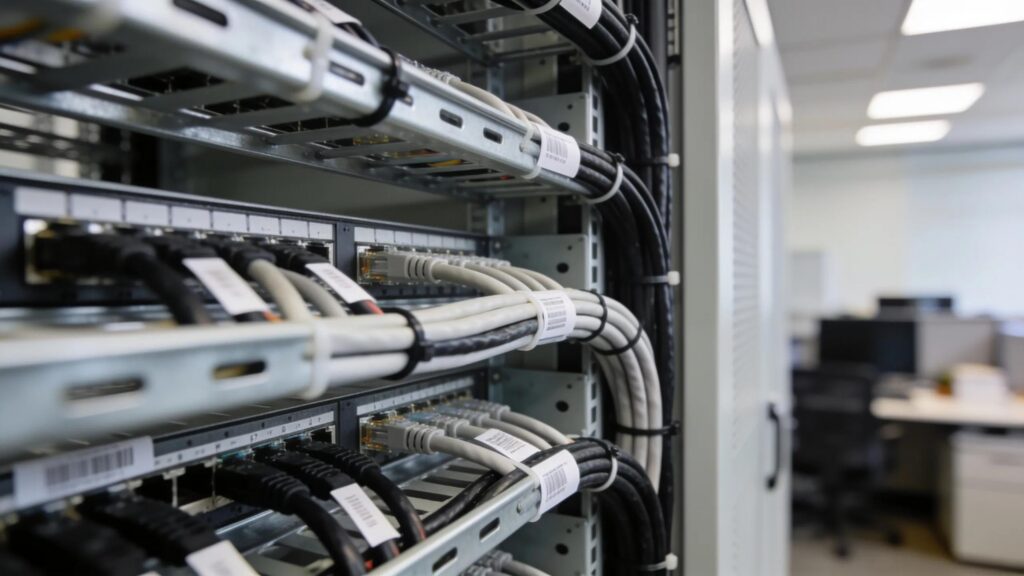
Structured cabling significantly boosts network performance by providing a robust framework that reduces latency and minimizes connectivity issues. Through organized pathways, it ensures that data can be transmitted efficiently, supporting superior speeds and responsiveness for business applications. Moreover, the reliability offered by structured cabling minimizes system downtime and enhances overall user experience, crucial for maintaining operational effectiveness in small businesses.
What Types of Cabling Technologies Are Used, Including Fiber Optic and Cat6?
There are several types of cabling technologies available for small businesses, including:
- Fiber Optic Cabling: Ideal for high-speed data transmission over long distances, fiber optic cables offer enhanced bandwidth capabilities.
- CAT6 Cabling: A popular choice, CAT6 cables support data transfer speeds up to 10 Gbps and are effective for most small business environments.
- CAT5e Cabling: Offers adequate performance for basic networking needs, suitable for smaller setups without extensive data demands.
Each type of cabling technology has its unique advantages, making it essential for business owners to choose based on their specific networking requirements.
How Is Commercial Network Cabling Installed and Maintained for SMBs?
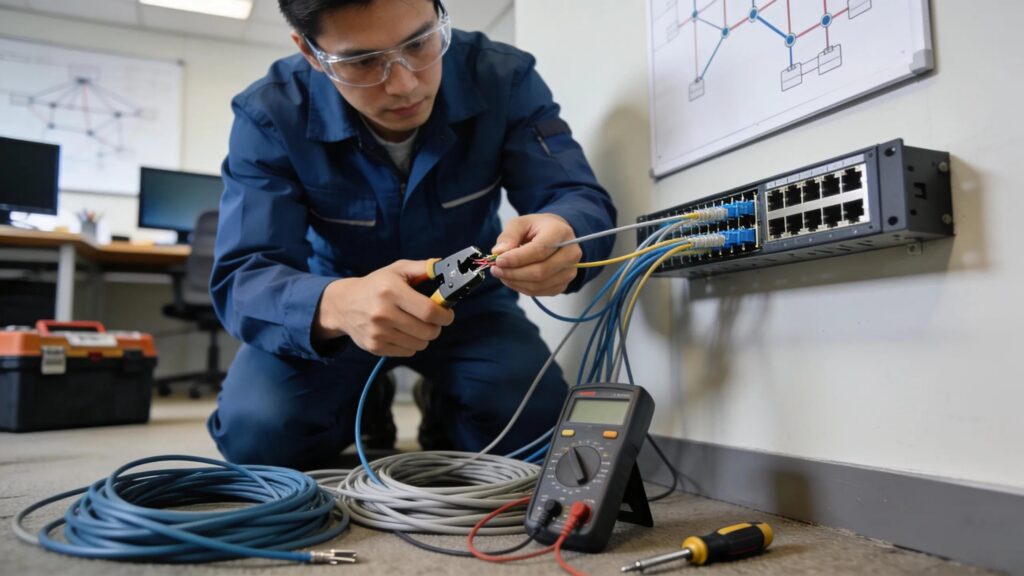
Commercial network cabling installation involves a detailed process that begins with planning and design. Professionals assess the current needs of the business and design a system that accommodates future expansion. The installation process itself requires specialized tools and knowledge to ensure that all cables are placed correctly and efficiently. Regular maintenance is crucial to ensure that the cabling systems remain operational and effective, involving periodic inspections and updates as technology evolves.
What Are the Key Steps in the Network Cabling Installation Process?
The installation of network cabling typically involves several key steps:
- Planning: Assessing the current and future needs to design an effective cabling system.
- Installation Techniques: Utilizing best practices for installing cables, ensuring proper bending radius and physical support.
- Testing Procedures: After installation, thorough testing ensures that the cabling meets all performance standards and functions correctly.
These steps are crucial to provide a reliable network infrastructure that supports business operations seamlessly.
How Are Network Cabling Systems Tested and Maintained to Ensure Ongoing Functionality?
Network cabling systems undergo rigorous testing to verify that they are functioning correctly. This involves using specialized equipment to check for continuity, performance standards, and potential signal degradation. Regular maintenance checks help identify and rectify any potential issues before they disrupt business operations, ensuring continuous reliability.
What Are the Costs and Compliance Standards for Network Cabling Services?
The costs associated with network cabling services can vary widely, influenced by factors such as the type of cabling used, installation complexity, and compliance with local regulations. Typical material and installation costs include:
| Cabling Type | Estimated Cost (Materials + Installation) |
|---|---|
| Cat5e | $100 – $200 per run |
| Cat6 | $150 – $250 per run |
| Fiber Optic | $300 – $500 per run |
Compliance with industry standards, including ANSI/TIA-568, is essential to ensure quality and safety in installation and operational practices.
How Do SMBs Evaluate ROI and Pricing for Network Cabling Solutions?
Small businesses should evaluate ROI by considering both the direct costs and long-term benefits associated with network cabling solutions. Key factors include:
- Initial Investment vs. Operational Savings: Calculate how enhancements in network performance can lead to reduced downtime and increased productivity.
- Longevity of the Cabling Infrastructure: Quality installations can last upwards of 10 years, providing lasting value.
- Scalability and Future-Proofing: The ability to adapt the cabling infrastructure as business needs evolve contributes significantly to overall ROI.
Which Industry Standards and Compliance Requirements Govern Network Cabling?
Several industry standards govern network cabling systems, essential for ensuring quality and safety. These include:
- ANSI/TIA-568: Provides guidelines for structured cabling systems.
- ISO/IEC 11801: Sets international standards for cabling infrastructure.
Compliance with these standards is crucial for the performance and reliability of network cabling systems.
Why Choose Expert Network Cabling Services in Orlando for Small Businesses?
When selecting network cabling services, local expertise can greatly enhance project outcomes. Key benefits of choosing local service providers like Tech Hero include:
- Improved Network Performance: Local experts understand regional needs and optimize installations accordingly.
- Enhanced Security: Tailored installations can improve overall network security by using updated technologies and best practices.
- Scalability: Local services often provide solutions that grow with your business, ensuring your infrastructure can adapt easily.
What Personalized Service and Support Benefits Are Offered Locally?
Local providers excel in delivering personalized service, which can make a significant difference in installation and ongoing support. Such benefits include:
- Tailored Solutions: Custom configurations that specifically address business requirements.
- Faster Response Times: Proximity enables quicker reaction to service issues or installation requests.
- Personalized Support: Direct access to knowledgeable technicians who understand local market dynamics.
How Does Technical Expertise and Rapid Response Enhance Business Network Operations?
The availability of technical expertise, combined with rapid response times, ensures that small businesses face minimal downtime. This leads to improved network performance and allows companies to focus on their core operations without the constant worry of technical issues slowing them down.