Secure AI Adoption Starts with the Right Strategy
Artificial intelligence is changing the way businesses work. Organizations are using AI tools to improve productivity, automate tasks, analyze information, and support employees. However, as AI adoption grows, so do the security risks.
Businesses need to understand these risks before AI becomes deeply connected to their systems and data. A strong security strategy can help organizations take advantage of AI while reducing unnecessary exposure.
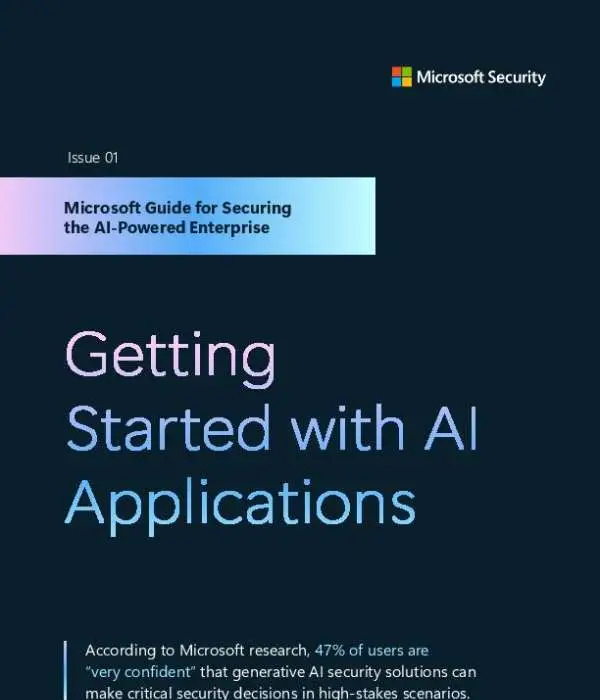
This featured eBook explores the top three threats organizations should address when adopting AI: Shadow AI, emerging attacks, and compliance gaps. It also provides a phased strategy based on Zero Trust principles to help businesses move forward with greater confidence.
1. Shadow AI
Employees are finding new ways to use AI in their everyday work. They may turn to AI tools to write content, summarize information, analyze data, or complete routine tasks.
However, employees may use AI applications without first checking whether those tools are approved by the organization. This is known as Shadow AI.
Shadow AI can create security concerns when employees enter sensitive business information into unapproved tools. Without the right policies and controls, organizations may have limited visibility into how AI is being used.
Businesses need clear guidelines for AI use. They also need security controls that help employees use approved AI tools safely.
2. Emerging AI Attacks
AI is creating new opportunities for businesses, but it can also create new opportunities for attackers. Cybercriminals are finding ways to use AI as part of increasingly sophisticated attacks.
Organizations must prepare for threats that can target AI systems, applications, users, and data. As AI technology continues to evolve, security teams need to keep pace with new attack methods.
This means AI security should not be treated as a separate concern. It should become part of the organization’s broader cybersecurity strategy.
3. Compliance Gaps
AI can also create challenges for businesses that must follow industry regulations and data protection requirements. Organizations need to understand where AI is being used and what information those systems can access.
Without clear policies and oversight, companies may create compliance gaps. These gaps can make it harder to demonstrate that sensitive information is being handled appropriately.
A strong AI strategy should include clear governance, access controls, monitoring, and policies for responsible AI use.
Build a Zero Trust Approach
One way organizations can address these challenges is by using a Zero Trust security strategy. Zero Trust is based on the idea that users, devices, applications, and workloads should not automatically be trusted.
Instead, access should be verified based on factors such as identity, device health, permissions, and business needs.
Applying Zero Trust principles to AI can help organizations create stronger controls around AI tools and the information they access. It can also help businesses improve visibility and reduce unnecessary access.
Take a Phased Approach to AI Security
Securing AI does not have to happen all at once. A phased approach can help organizations identify their biggest risks and address them over time.
Businesses can begin by understanding how employees currently use AI. From there, they can establish policies, strengthen security controls, monitor AI activity, and improve governance.
This approach allows organizations to move forward with AI adoption while keeping security in focus.
Learn How to Adopt AI More Safely
The featured eBook provides a closer look at the three major AI security threats businesses need to consider. It also explains how a phased, Zero Trust-based strategy can help organizations build a safer foundation for AI adoption.
Download the eBook to learn how your organization can prepare for the risks of AI while taking advantage of its benefits.
If you need help developing a secure AI strategy, contact Tech Hero. Our team can help you understand your security options and identify practical ways to protect your users, data, applications, and AI environment.