Secure AI Adoption With a Stronger Security Strategy
Artificial intelligence is quickly becoming part of everyday business. Organizations are using AI to improve productivity, automate tasks, analyze information, and help employees work more efficiently.
But as AI adoption grows, so do the security risks.
Employees may use AI tools without approval. Attackers may use AI to develop more effective threats. Sensitive information may also be exposed if organizations do not have clear policies for how AI should be used.
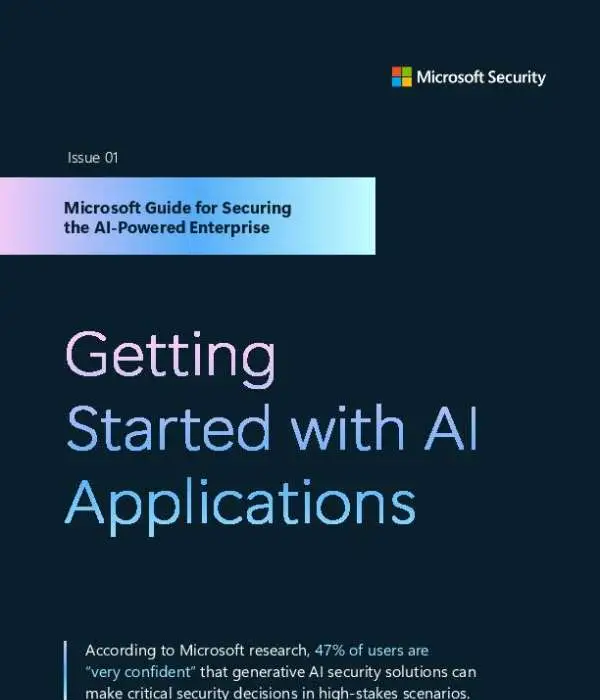
The featured eBook identifies three major threats organizations need to address when adopting AI: Shadow AI, emerging attacks, and compliance gaps. It also presents a phased strategy based on Zero Trust principles to help businesses introduce AI while maintaining stronger security controls.
1. Understand the Risk of Shadow AI
One of the biggest challenges organizations face is AI use that happens outside of IT’s visibility.
Employees may turn to free or consumer AI tools to summarize documents, generate content, analyze information, or complete other tasks. While these tools can improve productivity, employees may unknowingly enter sensitive business information into an AI service that has not been approved by the organization.
This is known as Shadow AI.
Without proper visibility and policies, security teams may not know which AI tools employees are using or what information is being shared with them.
Organizations need a clear strategy for approved AI tools, data handling, access, and employee usage.
2. Prepare for Emerging AI-Powered Attacks
AI is not only helping businesses. Cybercriminals are also using AI to improve their attacks.
Generative AI can help attackers create more convincing phishing messages, automate certain activities, and develop increasingly sophisticated social engineering campaigns.
As these threats evolve, traditional security practices may not be enough on their own.
Businesses need layered protection that includes strong identity security, endpoint protection, threat detection, employee awareness, and effective incident response.
3. Close Compliance Gaps
AI adoption can also create new compliance challenges.
Organizations may have strict requirements around how sensitive information is collected, stored, accessed, and shared. Introducing AI into existing workflows can make those requirements more difficult to manage if the organization does not have appropriate controls.
Businesses should understand where their data is being used and how AI applications interact with sensitive information.
Strong governance can help organizations take advantage of AI while continuing to meet their regulatory and internal security requirements.
Build a Zero Trust Foundation
A secure AI strategy needs more than a list of approved tools. Organizations also need a security framework that can adapt as AI usage grows.
Zero Trust provides an important foundation.
Instead of automatically trusting users, devices, or applications, Zero Trust requires organizations to verify access and continuously evaluate risk.
This approach can help businesses protect sensitive data while giving employees access to the AI tools they need.
Take a Phased Approach to AI Security
Organizations do not need to solve every AI security challenge overnight.
A phased approach can help businesses introduce stronger controls over time.
The process can begin with understanding how AI is currently being used. From there, organizations can establish policies, improve visibility, protect sensitive data, and introduce stronger access and security controls.
As the AI environment grows, security teams can continue to monitor usage and adjust their strategy.
This approach allows organizations to support innovation without ignoring the risks that come with it.
Give Employees a Safe Way to Use AI
Blocking AI completely may not be realistic for many businesses. Employees are already finding ways to use AI to improve productivity.
Instead, organizations should focus on creating a secure path for AI adoption.
That can include providing approved tools, establishing clear usage policies, educating employees, and putting security controls in place.
When employees understand how they can safely use AI, businesses can encourage innovation while reducing unnecessary risk.
Build Security Into Your AI Strategy
AI adoption should not happen separately from cybersecurity.
Security teams, IT leaders, and business decision-makers should work together to determine how AI will be used and what protections are needed.
Organizations should consider:
- Which AI tools employees are using
- What information can be shared with AI
- How sensitive data is protected
- How AI-related threats will be detected
- Who has access to AI systems
- How AI usage will be monitored
- Which compliance requirements apply
Addressing these questions early can make it easier to scale AI responsibly.
Start Your AI Security Journey
AI can create tremendous value for businesses, but successful adoption requires planning.
The featured eBook explores the three major AI security risks—Shadow AI, emerging attacks, and compliance gaps—and provides a phased strategy rooted in Zero Trust principles.
Download the eBook to learn how your organization can start adopting AI safely while protecting users, data, and business operations.
If you’re ready to build a more secure AI strategy, contact Tech Hero. Our team can help you evaluate your current environment, identify AI-related risks, and develop practical security practices that allow your organization to adopt AI with greater confidence.