
Most managed IT services promise smooth sailing but leave you facing unexpected costs and downtime. You deserve a service that covers every critical detail—from 24/7 IT support to comprehensive cybersecurity services. In this guide, you’ll learn what your MSP should always include to keep your business secure, predictable, and running without surprises. Schedule your free IT Predictability Assessment today and get your managed IT checklist. Learn more about managed IT services.
Essential Components of Managed IT
Managed IT services should be designed to keep your business running smoothly without any surprises. Here are the key components to look for:
Proactive Monitoring and Support
Proactive monitoring ensures that potential issues are detected and resolved before they can disrupt your business. With 24/7 IT support, you can rely on experts to keep your systems running smoothly at all times. This means fewer unexpected problems and more predictable operations.
When your IT service provider is always on the lookout for potential threats, you can have peace of mind knowing that your systems are protected. This proactive approach reduces downtime and helps keep your business running efficiently. A reliable managed IT service provider will also offer remote support to quickly address any issues, providing you with the assistance you need, when you need it.
Cybersecurity and Data Protection
In today’s world, cybersecurity is more important than ever. A robust managed IT service should include comprehensive data protection measures to safeguard your business. This includes endpoint security, network security, and protection against threats like ransomware.
Cybersecurity services should also encompass ongoing monitoring to detect and address potential vulnerabilities. By implementing a multi-layered security strategy, you can minimize the risk of data breaches and ensure that your sensitive information remains secure. With the right partner, your business can stay ahead of evolving cyber threats and maintain compliance with industry standards.
Backup and Disaster Recovery Solutions
No business is immune to the possibility of data loss or system failure. That’s why backup and disaster recovery solutions are essential components of managed IT services. These solutions ensure that your data is regularly backed up and can be quickly restored in the event of a disaster.
By having a solid disaster recovery plan in place, you can minimize downtime and get back to business as usual with minimal disruption. Your managed IT service provider should offer scalable solutions that can grow with your business, ensuring that you have the support you need at every stage of your journey.
Streamlining IT Operations
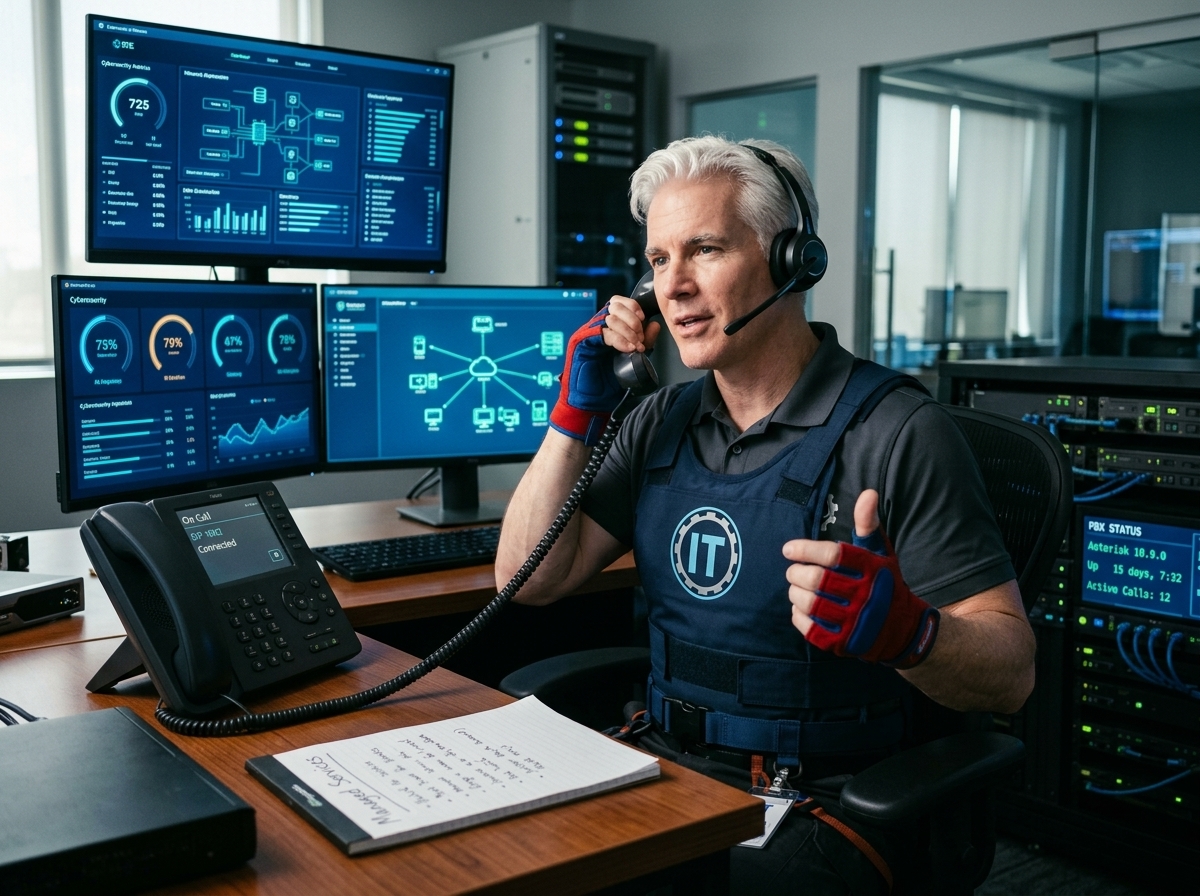
Efficient IT operations are key to the success of any business. Here are some important areas to focus on:
Asset and Vendor Management
Effective asset and vendor management is crucial for keeping your IT infrastructure organized and efficient. Managed IT services should include comprehensive tracking and management of all hardware and software assets, helping you make informed decisions about upgrades and replacements.
By streamlining vendor management, you can ensure that you receive the best possible service and pricing from your technology partners. This not only saves you time but also helps you optimize your IT spending.
Comprehensive IT Documentation
Having detailed IT documentation is essential for maintaining a well-organized and efficient IT environment. This includes documentation of network configurations, hardware and software inventories, and IT policies and procedures.
Comprehensive documentation makes it easier to troubleshoot issues, onboard new employees, and ensure continuity in the event of personnel changes. Your managed IT service provider should prioritize keeping your documentation up-to-date and easily accessible.
User Onboarding and Offboarding
Efficient user onboarding and offboarding processes are vital for maintaining security and productivity. Managed IT services should include streamlined procedures for adding and removing users, ensuring that employees have the access they need without compromising security.
By automating these processes, you can reduce the time and effort required for user management, allowing your IT team to focus on more strategic initiatives.
Ensuring Business Continuity

Business continuity planning is critical for minimizing disruptions and maintaining operations during unexpected events. Here are some key areas to consider:
Cloud and VOIP Solutions
Cloud and VOIP solutions offer flexibility and scalability for your business. By moving to the cloud, you can access your data and applications from anywhere, making it easier to support remote work and collaboration.
VOIP phone systems provide reliable communication options that can be easily scaled to meet your business’s needs. By incorporating these solutions into your managed IT services, you can ensure seamless communication and collaboration across your organization.
IT Compliance and Training
Maintaining compliance with industry regulations is essential for protecting your business and avoiding costly penalties. Managed IT services should include ongoing compliance monitoring and support to help you stay up-to-date with the latest requirements.
Employee training is also a critical component of IT compliance. By providing regular training on topics such as cybersecurity and data privacy, you can ensure that your team is aware of their responsibilities and equipped to protect your business.
Quarterly Business Reviews and Reporting
Regular business reviews and reporting are essential for evaluating the effectiveness of your managed IT services. These reviews provide an opportunity to assess your current IT strategy, identify areas for improvement, and plan for future growth.
Your managed IT service provider should offer detailed reporting on key performance metrics, helping you make informed decisions about your IT investments. By staying proactive and informed, you can ensure that your IT strategy aligns with your business goals and delivers the best possible results.
Frequently Asked Questions
What are managed IT services?
Managed IT services are comprehensive technology solutions provided by an external partner to manage and support your IT infrastructure. This includes proactive monitoring, cybersecurity, data protection, and more.
Why is cybersecurity important for my business?
Cybersecurity is crucial for protecting your business from data breaches and cyber threats. It safeguards sensitive information, maintains customer trust, and ensures compliance with industry regulations.
How do backup and disaster recovery solutions benefit my business?
Backup and disaster recovery solutions ensure that your data is regularly backed up and can be quickly restored in the event of a disaster. This minimizes downtime and helps your business recover quickly from unexpected events.
What is the advantage of cloud solutions for my business?
Cloud solutions offer flexibility, scalability, and remote access to your data and applications. This supports remote work, enhances collaboration, and reduces the need for on-premises infrastructure.
How can managed IT services improve my business operations?
Managed IT services streamline your operations by providing proactive support, efficient asset management, and comprehensive IT documentation. This reduces downtime, optimizes IT spending, and allows your team to focus on strategic initiatives.