
Most small businesses think cybersecurity is just an IT checkbox. That leaves them exposed to costly breaches and downtime. A security-first IT strategy changes everything by focusing on what really protects your business—from multi-factor authentication to 24/7 monitoring. Keep reading to learn the must-have elements that safeguard your growth and peace of mind. For more insights, check out this resource on the importance of IT security for small businesses.
Building a Security-First IT Strategy
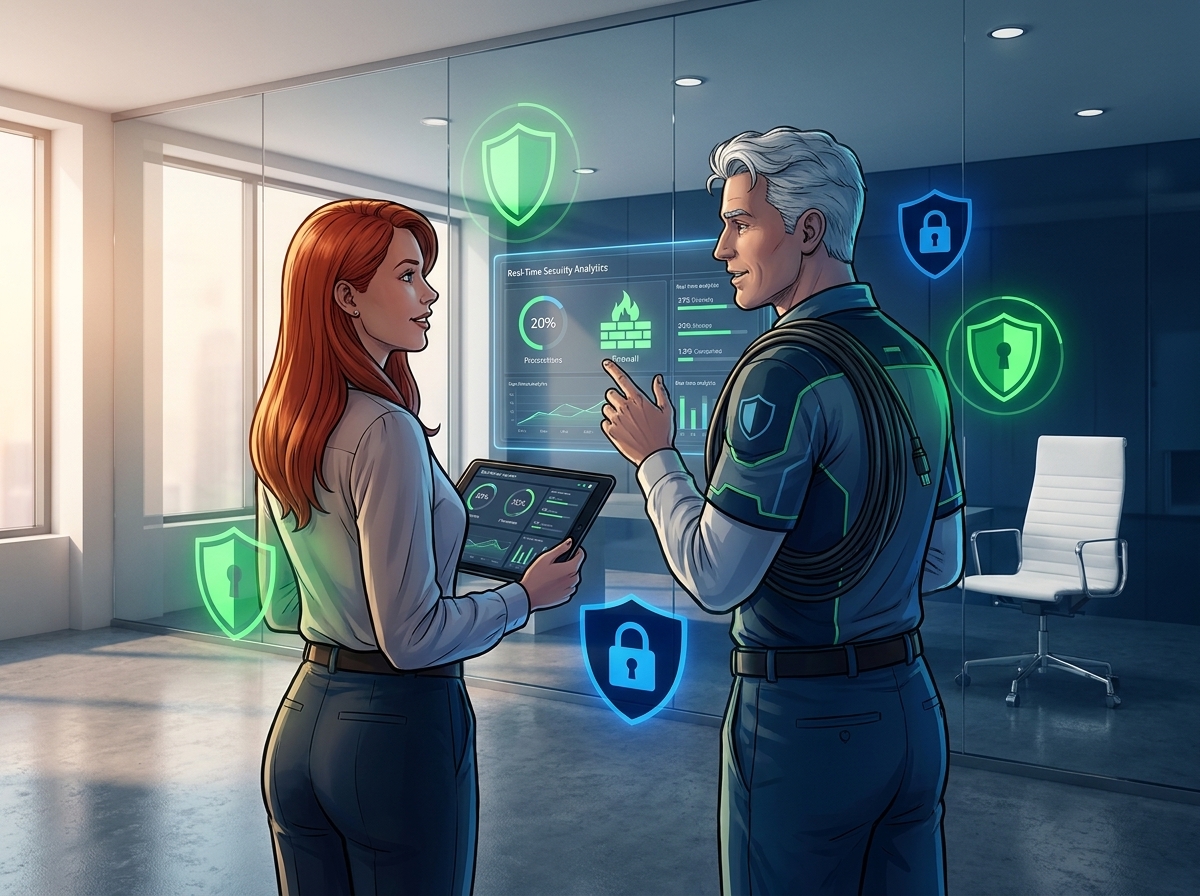
Creating a security-first IT strategy is essential for protecting your business. It involves a comprehensive plan that addresses all facets of your technology infrastructure. Let’s explore the key components crucial for small businesses.
Key Components for SMBs
Small businesses face unique challenges in cybersecurity. You need to ensure your strategy covers all bases:
-
Access Control: Ensure only authorized personnel can access sensitive information.
-
Data Encryption: Protect data in transit and at rest with strong encryption methods.
-
Regular Updates: Keep software and systems up-to-date to guard against vulnerabilities.
These components form the backbone of a robust security plan. They ensure your business data remains protected at all times.
Managed IT Services for Security
Managed IT services offer an effective way to bolster your security efforts. They provide expert support and proactive measures:
-
24/7 Monitoring: Constant surveillance to detect and respond to threats immediately.
-
Expert Guidance: Access certified professionals who can advise on best practices.
-
Cost Efficiency: Predictable costs and reduced need for in-house resources.
By outsourcing to managed services, you gain peace of mind knowing experts are handling your IT needs.
Proactive Maintenance Essentials
Proactive maintenance is vital to prevent issues before they occur. It keeps your systems running smoothly and securely:
-
Routine Checkups: Regular system assessments to identify potential weaknesses.
-
Patch Management: Timely updates to fix security vulnerabilities.
-
Performance Monitoring: Ensure systems operate efficiently, reducing downtime risks.
This proactive approach minimizes disruptions and enhances overall security.
Strengthening Your Cybersecurity Posture

Once the basics are in place, it’s time to strengthen your overall cybersecurity posture. This involves implementing advanced measures to thwart potential threats.
Importance of Multi-Factor Authentication
Multi-factor authentication (MFA) adds a critical layer of security to your login processes. It requires users to provide multiple forms of verification:
-
Enhanced Security: Protects against unauthorized access even if passwords are compromised.
-
Simple Implementation: Easily integrated into existing systems with minimal disruption.
-
User Confidence: Increases user trust with visible security measures.
MFA is a straightforward yet powerful tool in your security arsenal.
Implementing Endpoint Protection
Endpoint protection safeguards the devices accessing your network. This ensures threats are neutralized before they reach your critical systems:
-
Comprehensive Coverage: Protects laptops, smartphones, and other devices.
-
Real-time Threat Detection: Identifies and blocks threats as they occur.
-
Centralized Management: Simplifies administration and enforcement of security policies.
By securing endpoints, you reduce the risk of breaches originating from your devices.
Backup and Disaster Recovery Plans
Data loss can be catastrophic, making backup and recovery plans mandatory. They ensure business continuity even in worst-case scenarios:
-
Automatic Backups: Regularly scheduled to minimize data loss.
-
Quick Recovery: Swift restoration of data to maintain operations.
-
Risk Mitigation: Protects against data loss from cyberattacks or system failures.
These plans are your safety net, ensuring your business can bounce back from disruptions.
Enhancing Cybersecurity Awareness

Even with robust systems in place, human error remains a significant risk. Cultivating cybersecurity awareness among staff is crucial.
Phishing Awareness Training
Phishing remains a prevalent threat, targeting unsuspecting employees. Training helps them recognize and avoid these scams:
-
Real-world Simulations: Interactive exercises to identify phishing attempts.
-
Regular Updates: Keep staff informed of the latest tactics used by attackers.
-
Empowerment: Builds confidence to handle potential threats effectively.
This training turns your team into a line of defense against cybercrime.
Developing an Incident Response Plan
An incident response plan outlines how to react when a security breach occurs. It minimizes damage and hastens recovery:
-
Clear Protocols: Defines roles and responsibilities during an incident.
-
Swift Action: Reduces time to contain and resolve security breaches.
-
Continuous Improvement: Learn from each incident to enhance future responses.
A well-prepared team can drastically reduce the impact of a breach.
Conducting Regular Risk Assessments
Regular risk assessments identify vulnerabilities within your systems. They allow you to address weaknesses before they are exploited:
-
Comprehensive Reviews: Thorough evaluation of your security posture.
-
Actionable Insights: Provides recommendations to strengthen defenses.
-
Ongoing Process: Regular assessments keep your strategy current and effective.
By understanding risks, you can take proactive measures to protect your business.
By focusing on these elements, you build a resilient security-first IT strategy. It shields your business from threats, ensuring long-term success and peace of mind. For more insights on cybersecurity practices, explore this guide on best practices for small enterprises.